
Lea Grebe
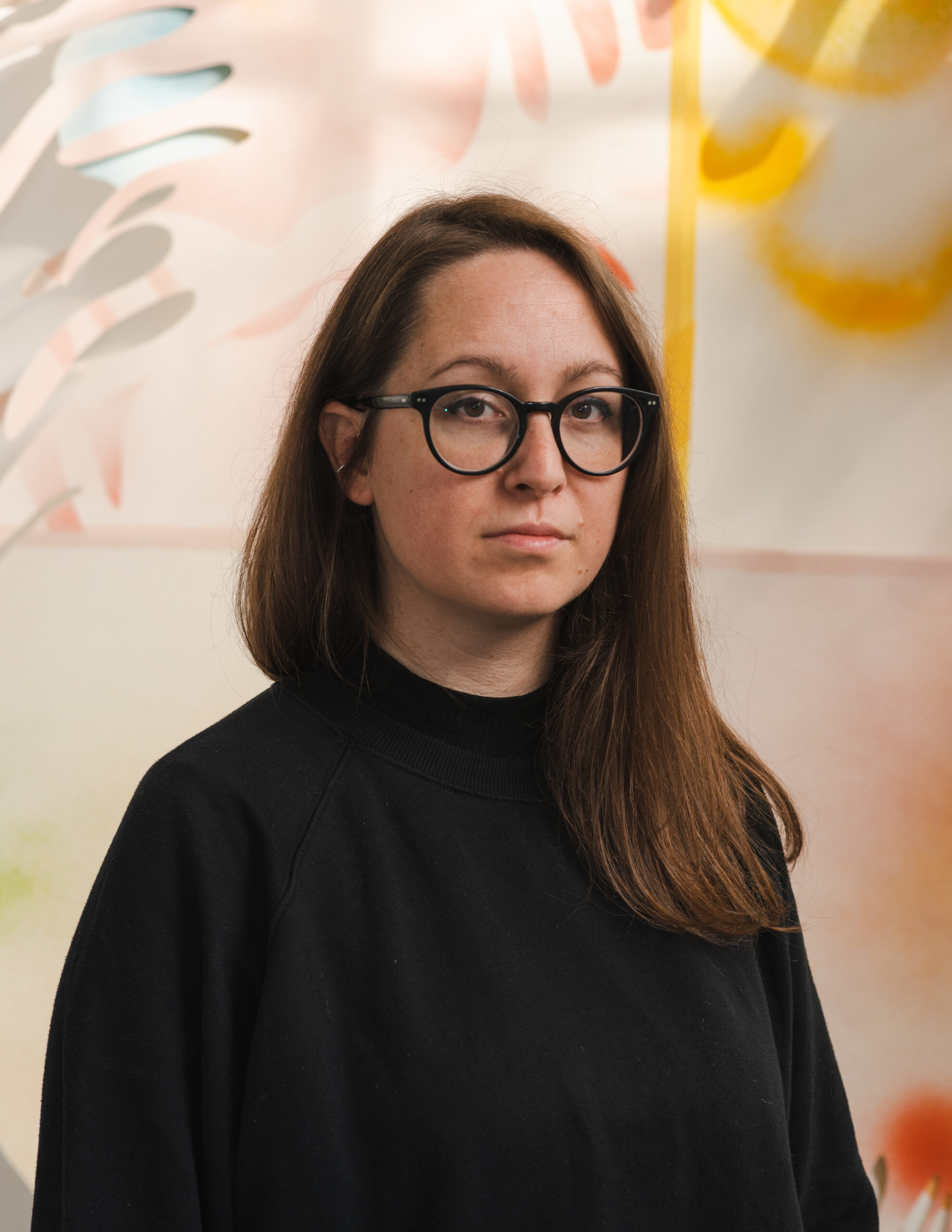
Lea Grebe (b. 1987, Munich, Germany) lives and works in Munich.
Lea Grebe studied Painting and Graphics at the Academy of Fine Arts Munich under Prof. Axel Kasseböhmer, completing her studies as a master student in 2018. She also holds a Magister Artium in Art Education, Art History, and Modern German Literature from Ludwig Maximilian University of Munich.
Lea Grebe has received grants and scholarships from the City of Nuremberg, Stiftung Kunstfonds, and the State of Bavaria (Cité des Arts, Paris). Her work has been shown in institutions such as Kunsthalle Mannheim, Museum Sinclair-Haus, and Museum Wiesbaden, and is represented in the Collection of the Federal Republic of Germany
Persistent Traces
Persistent TracesArt Brussels 2026Booth 5A-17
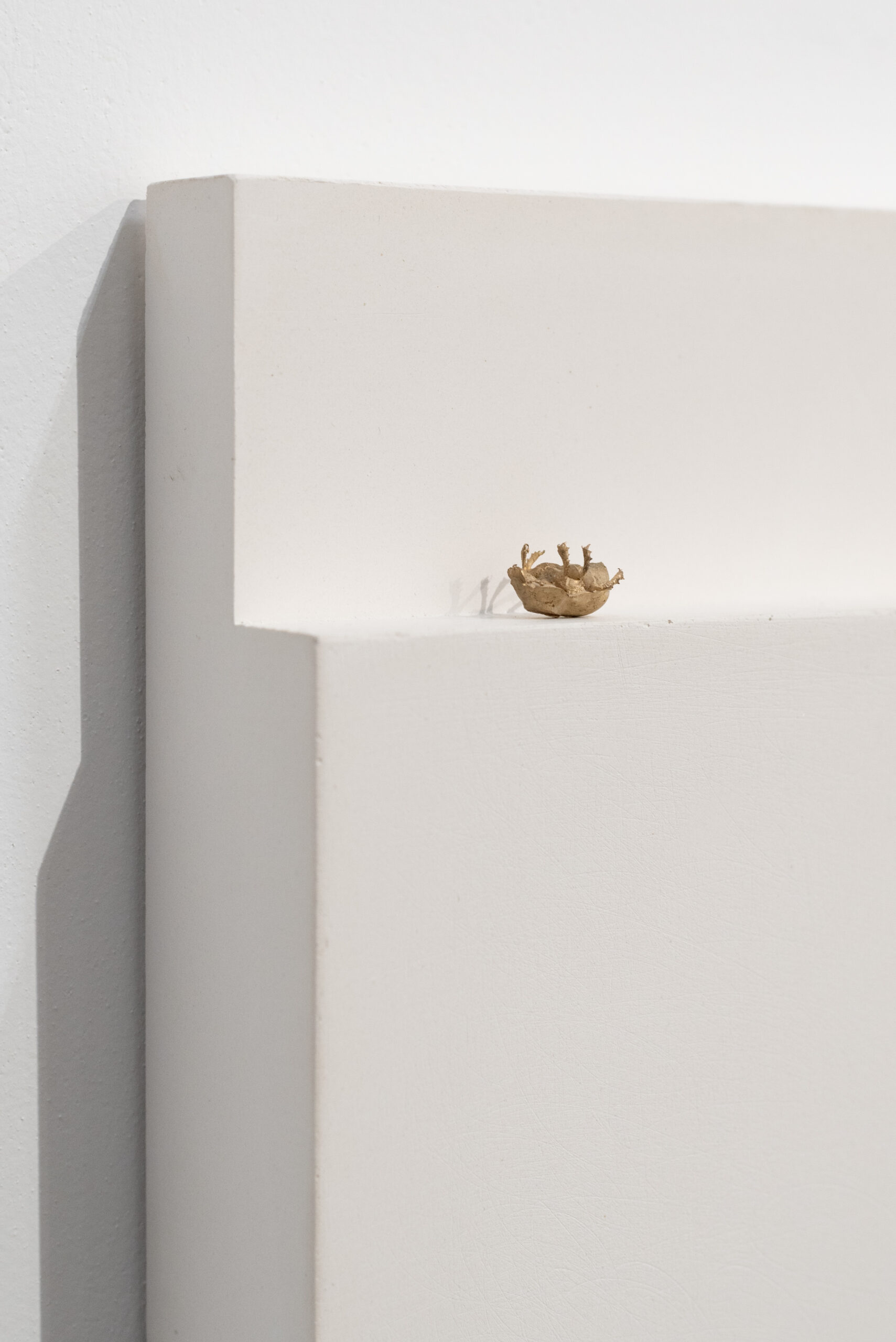
Lea Grebe’s art deals with the observation of nature at the intersections of science and technology. Based on the artist’s personal archive of insects found dead, which was built over the last couple of years, a wide variety of questions for new works emerges. For her, the class of insects is exemplary of the creatures that surround us and the ecosystems they animate. Insects reflect and analyse man’s interest in the orders imposed by nature. Her small bronze sculptures of individual animals and plants refer to a reprocessing of nature that transforms living flora and fauna into relics of conservation and musealisation.
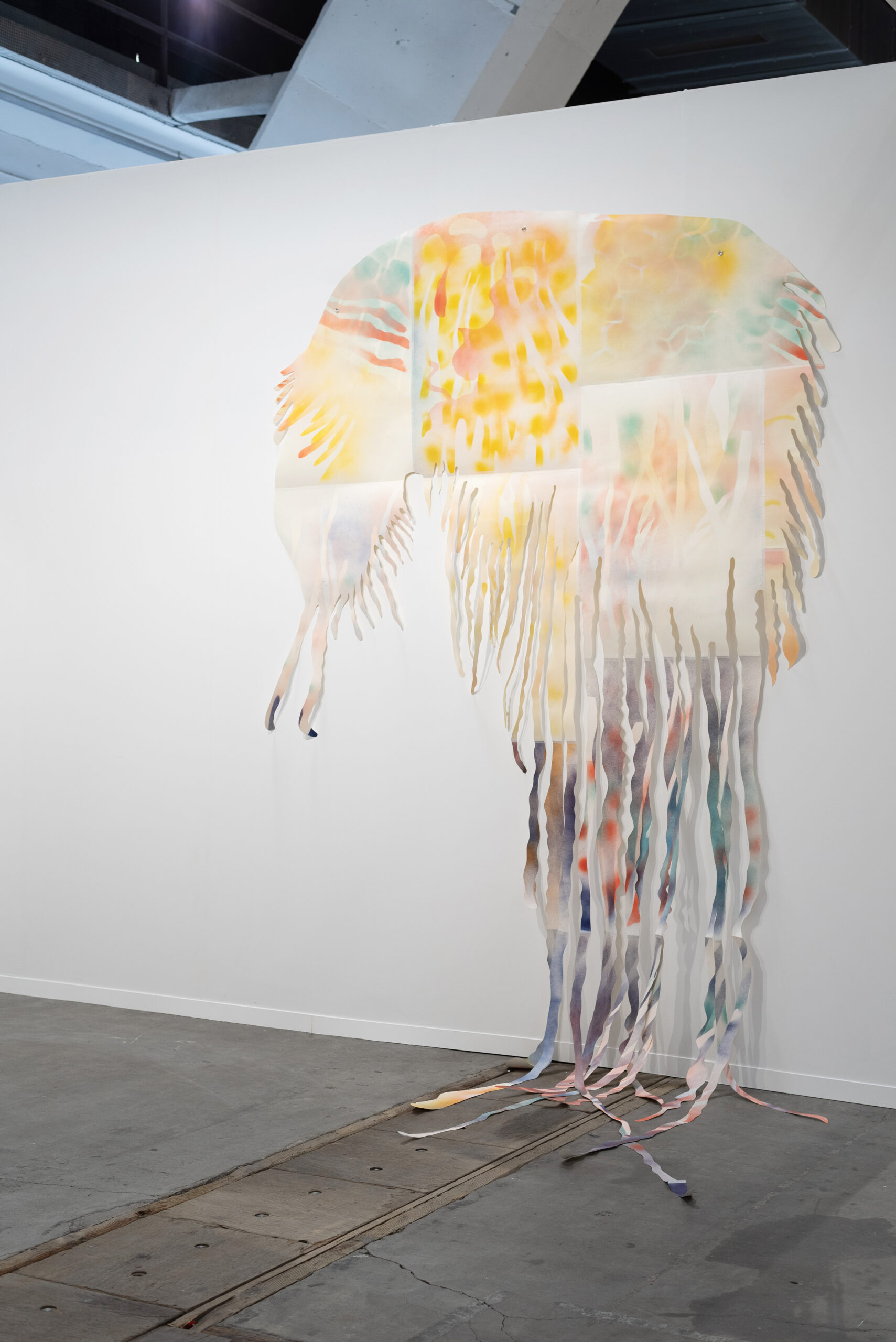
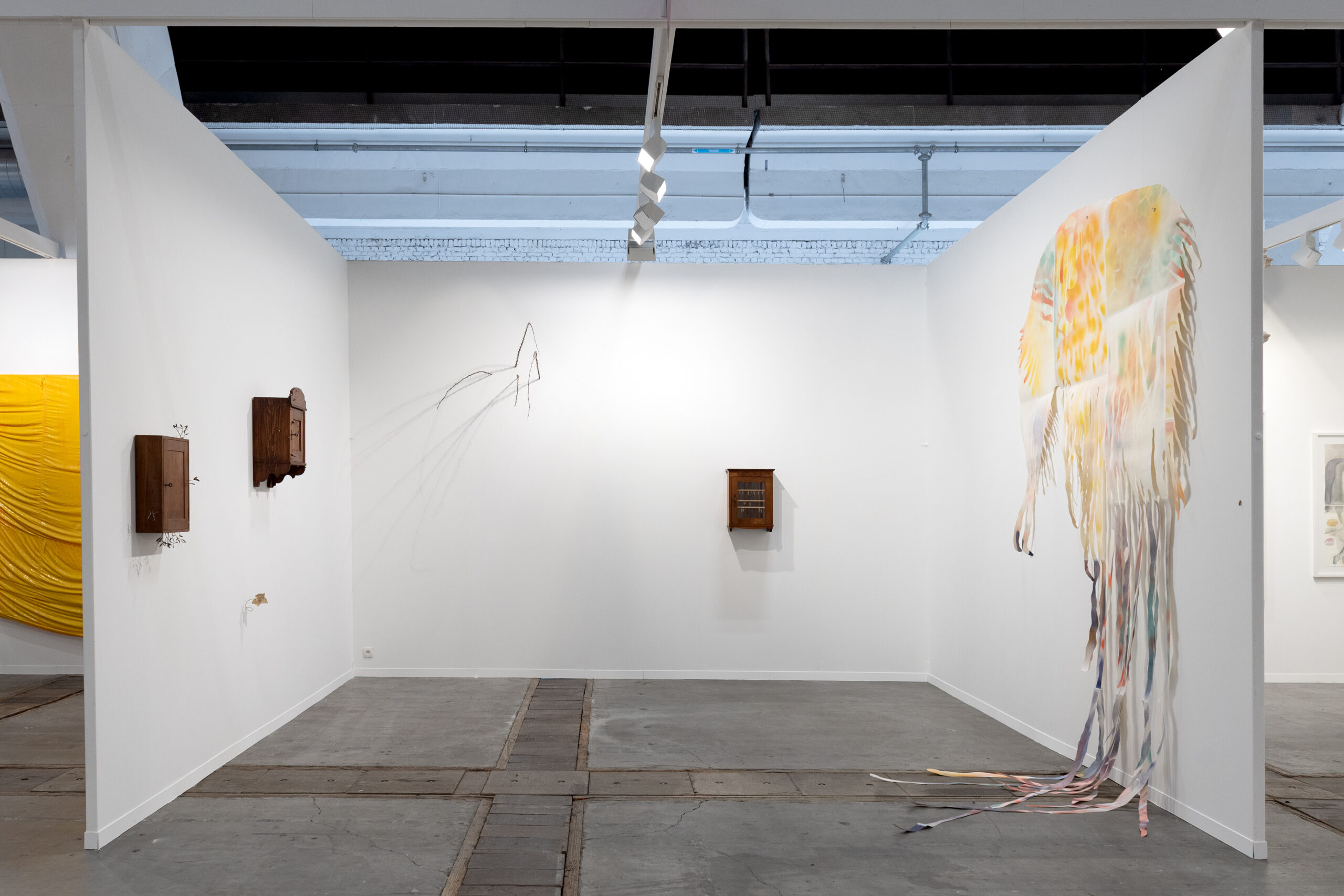
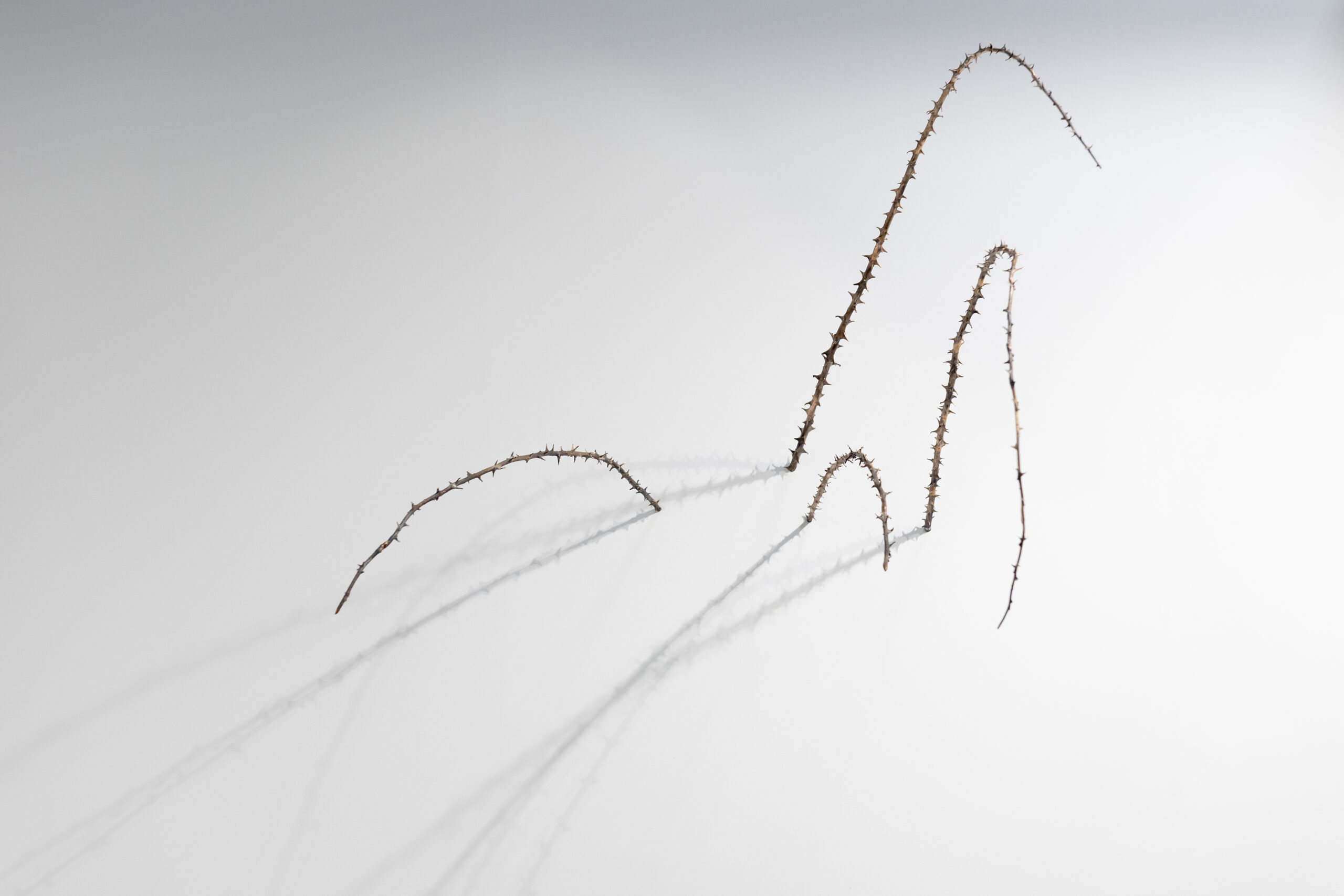
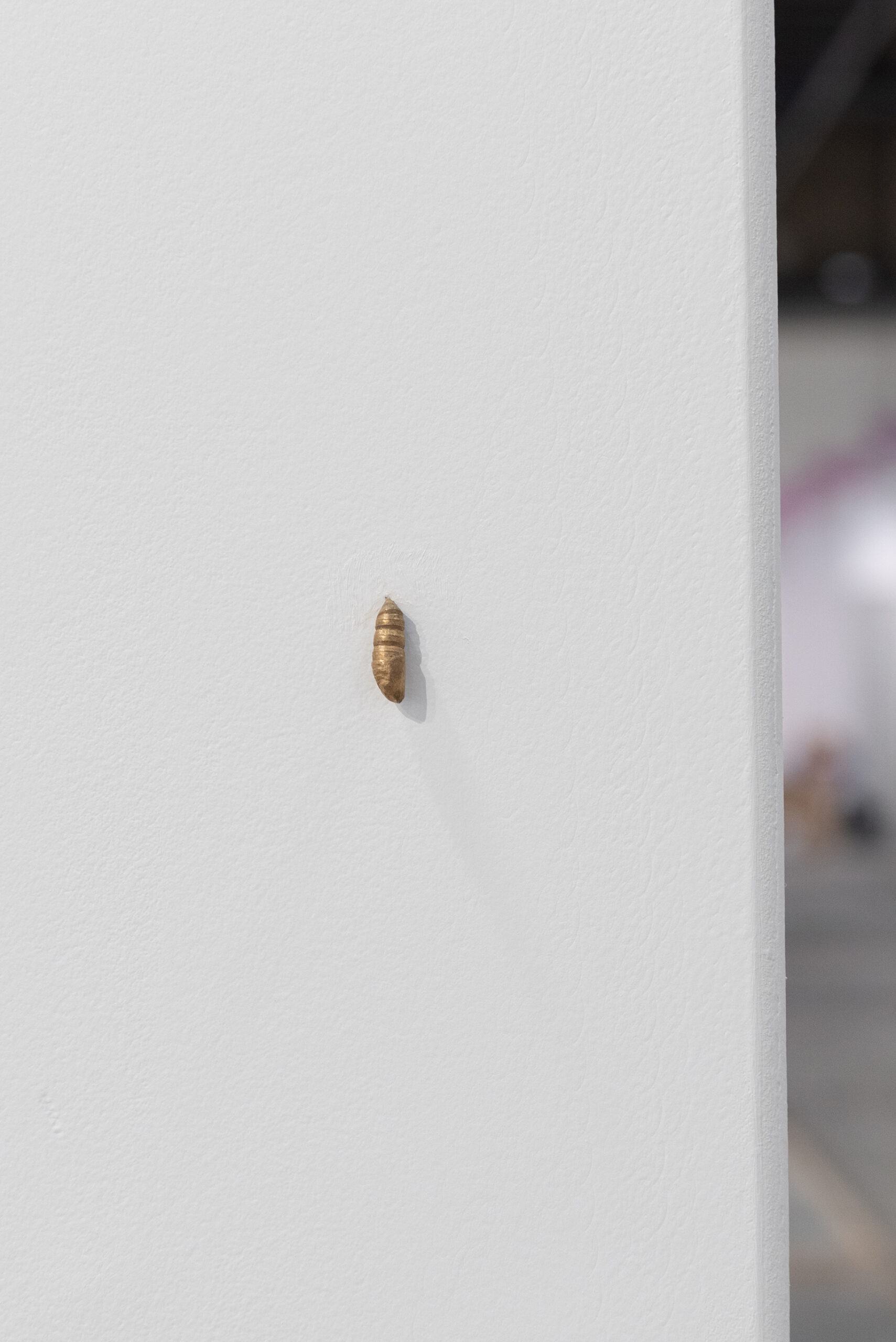
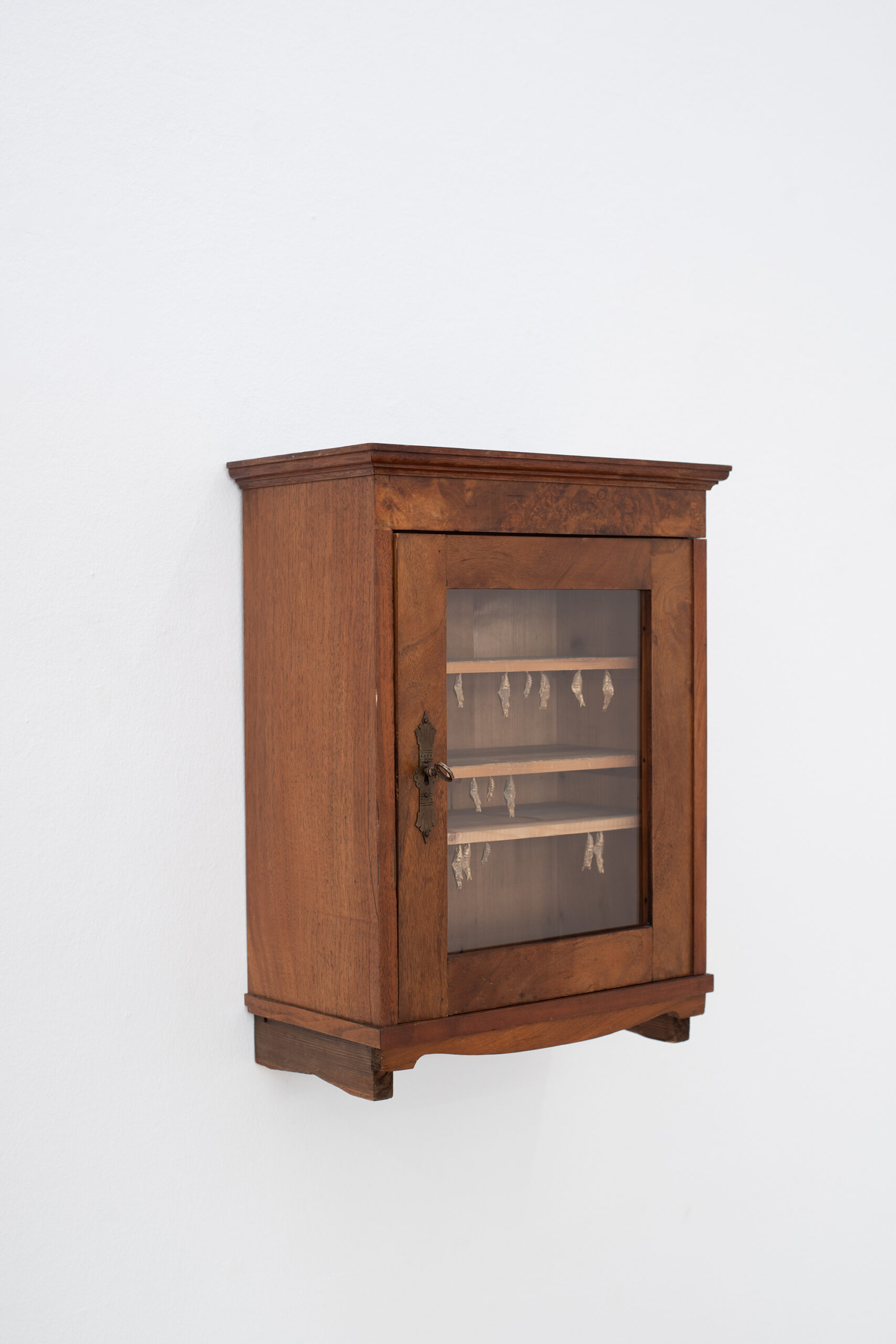
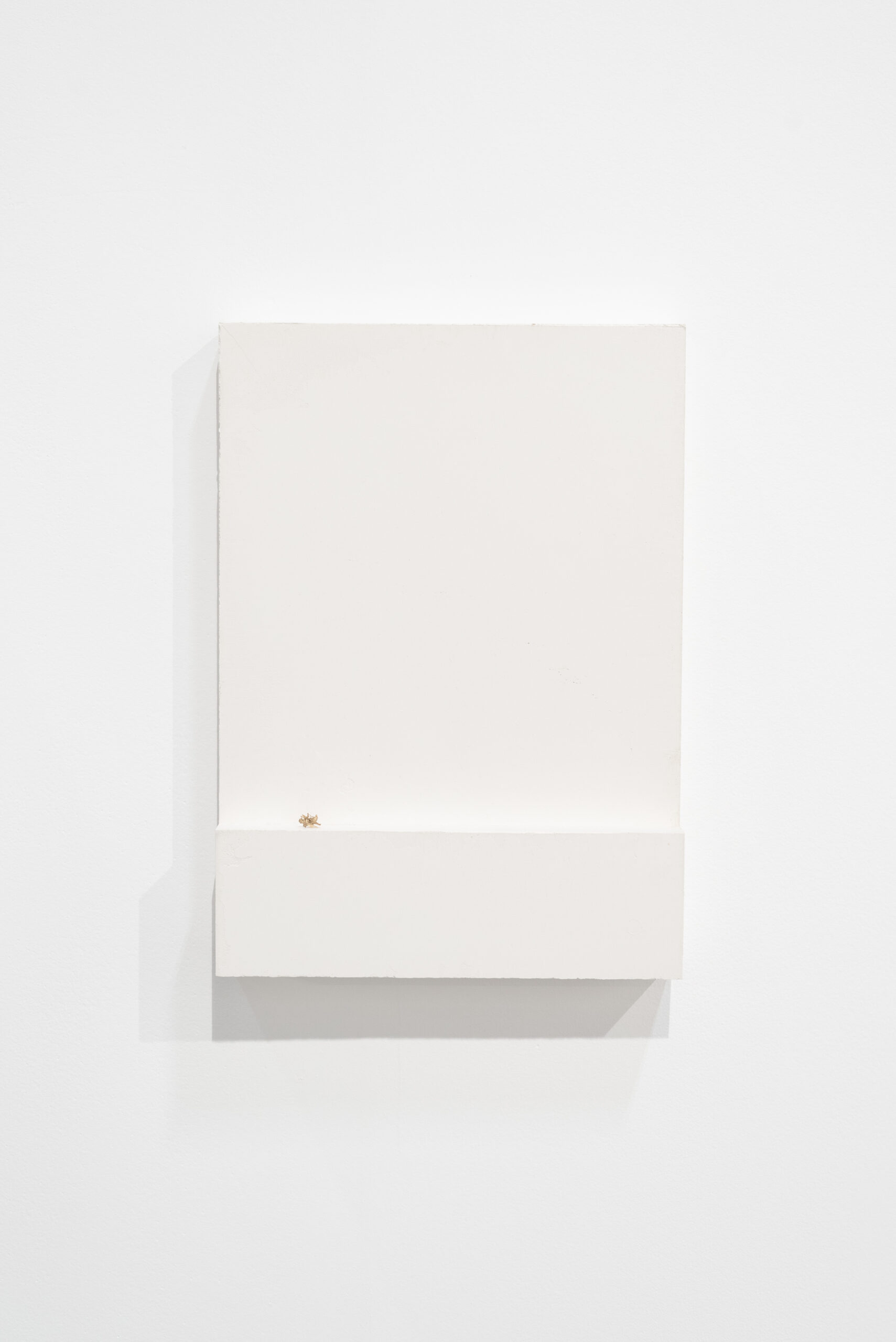
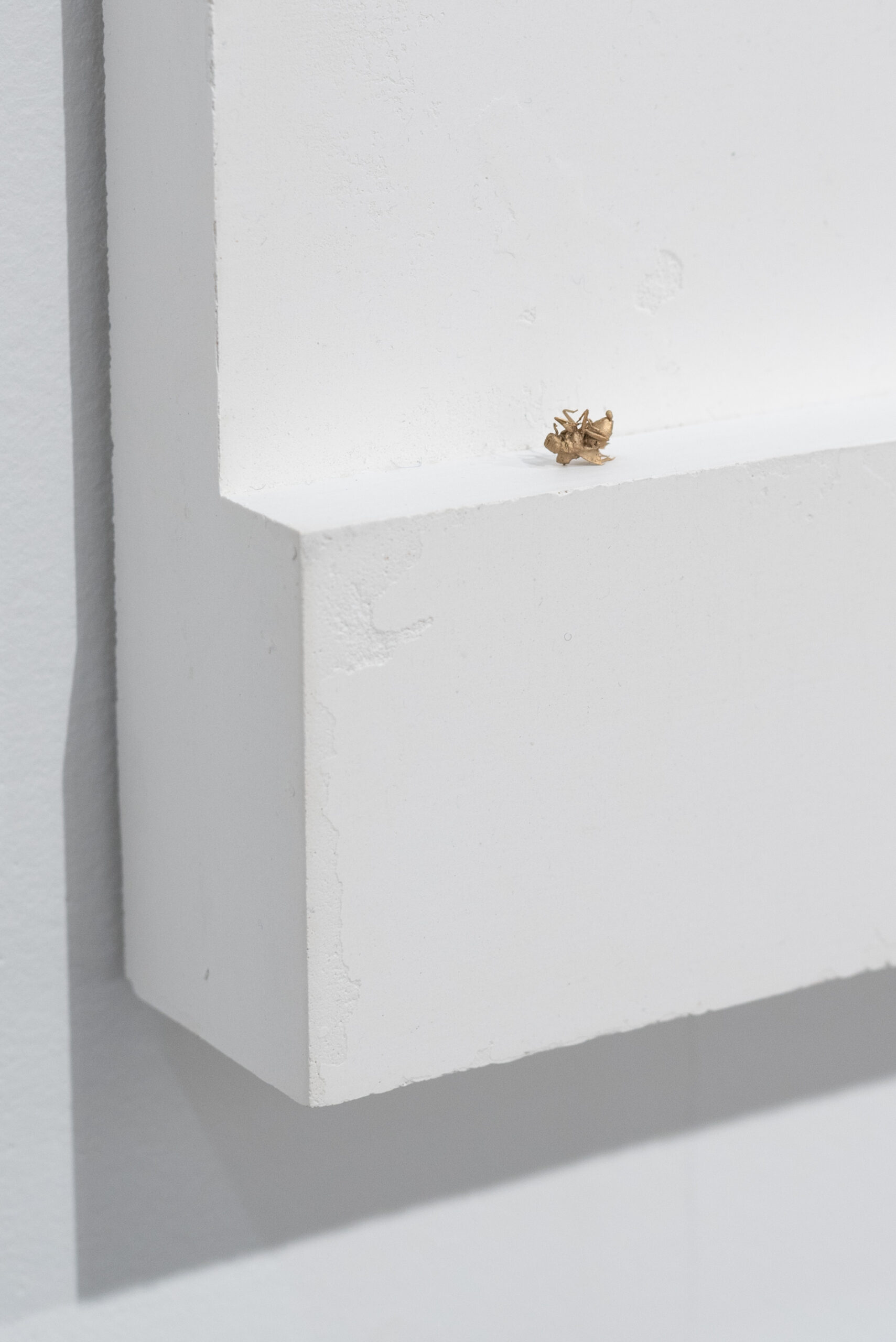
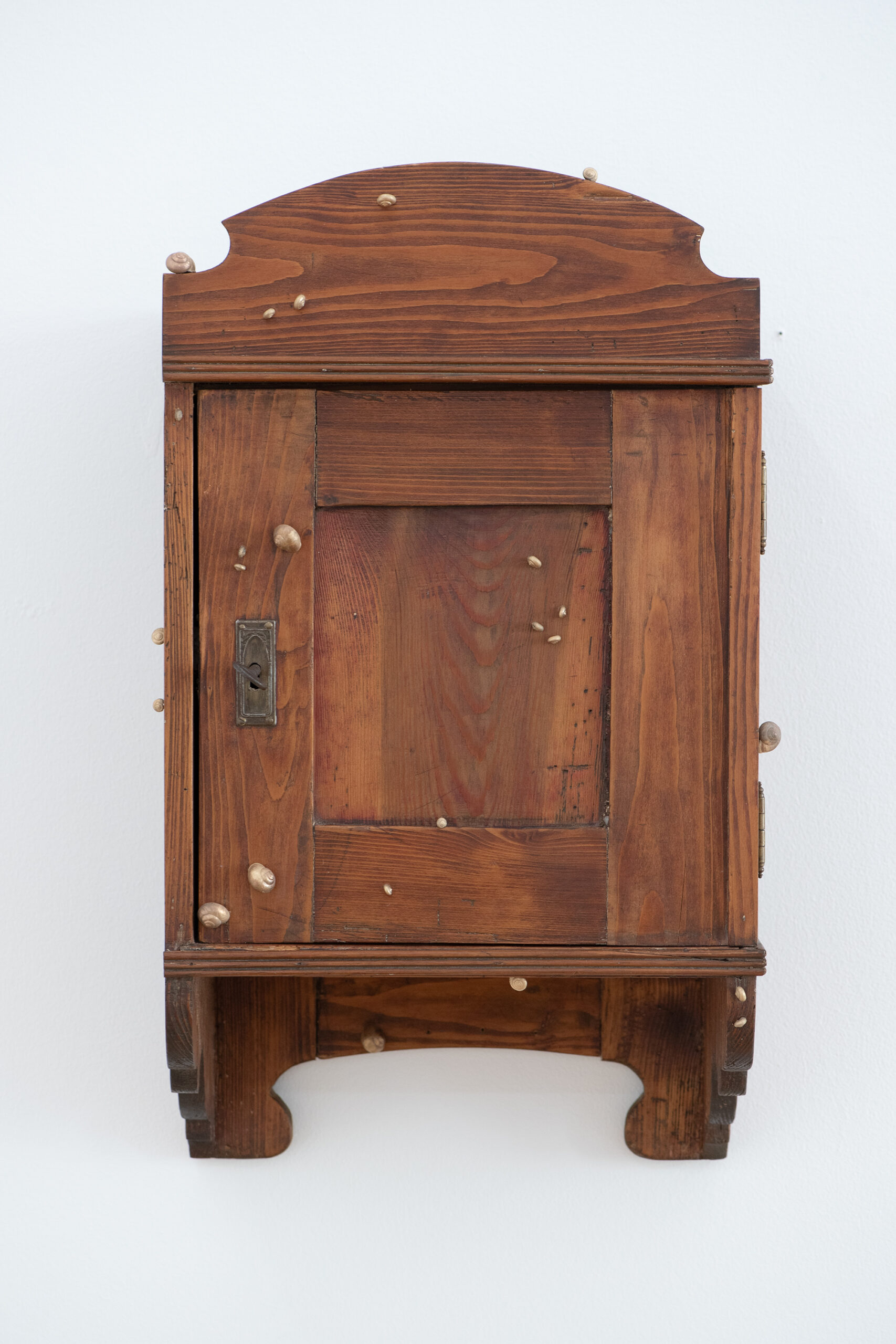
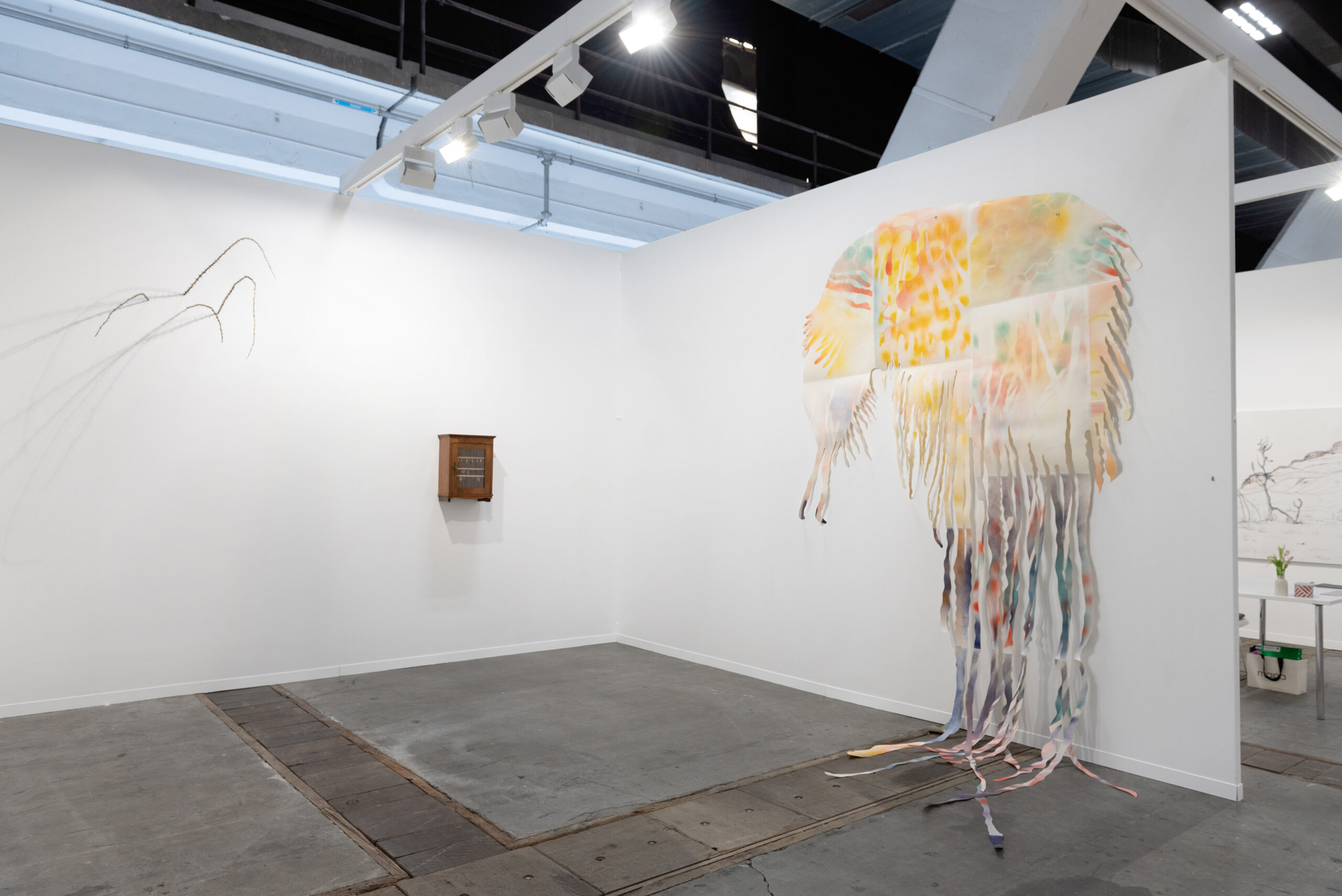
In her recent works, Grebe creates hybrid objects that merge biological motifs with domestic furniture forms. Cabinets and vitrines become habitats for bronze-cast fungi, galls, and cocoons, appearing to grow from within and transforming utilitarian objects into living environments. By using materials such as wood, glass, and bronze, Grebe inverts traditional hierarchies of sculpture. Bronze, a material of permanence, preserves ephemeral organisms and reveals the delicate balance between preservation and decay, dominance and vulnerability, culture and nature. Her works envision a world where the boundaries between naturalia and artificialia blur, exposing how cultural and biological histories are deeply intertwined.
Fascinated by collaborative interactions between animals and plants, Lea Grebe conceives works that examine these symbioses between animals and nature as models for human behaviour. Central to her work is the concept of transformation, a state that harbours the possibility and hope of change. For her, however, it is also “about the search for new ecological empathic ways of thinking. The aim is to imagine a world view that is not human-centred.
The aim is to imagine a world view that is not human-centred.The aim is to promote a perception that is not only focused on oneself, but also on the other, the counterpart and also the alien.”
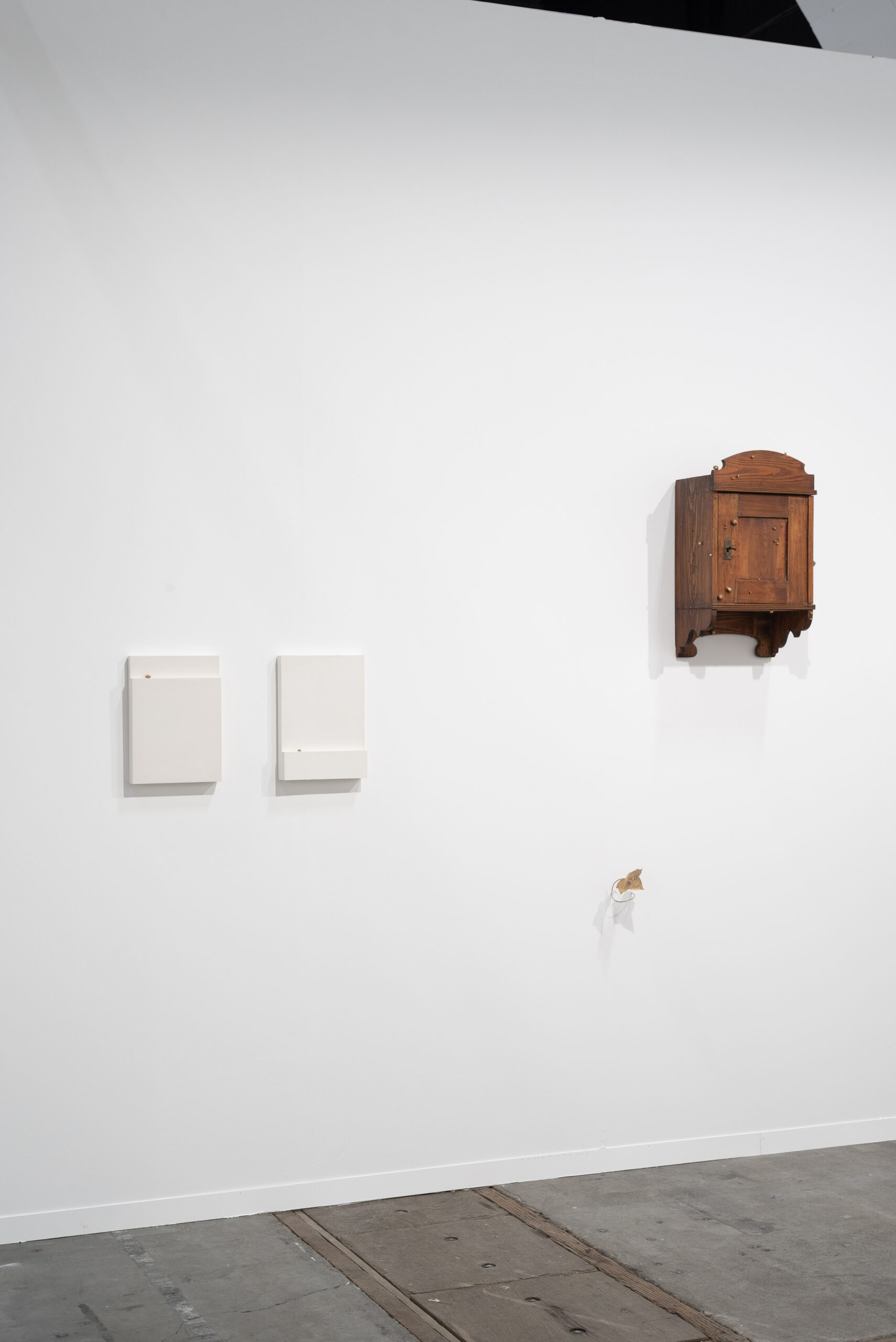
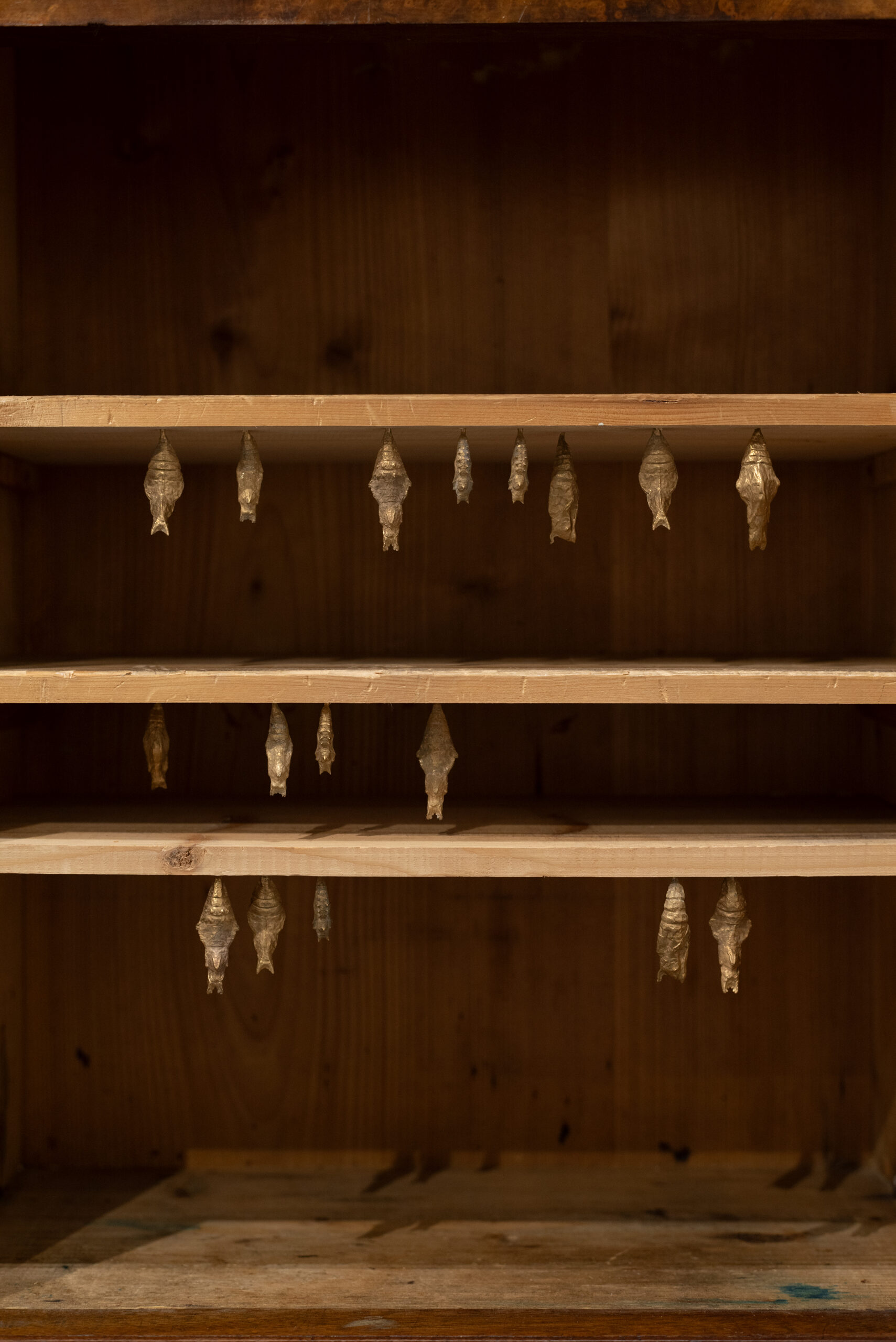
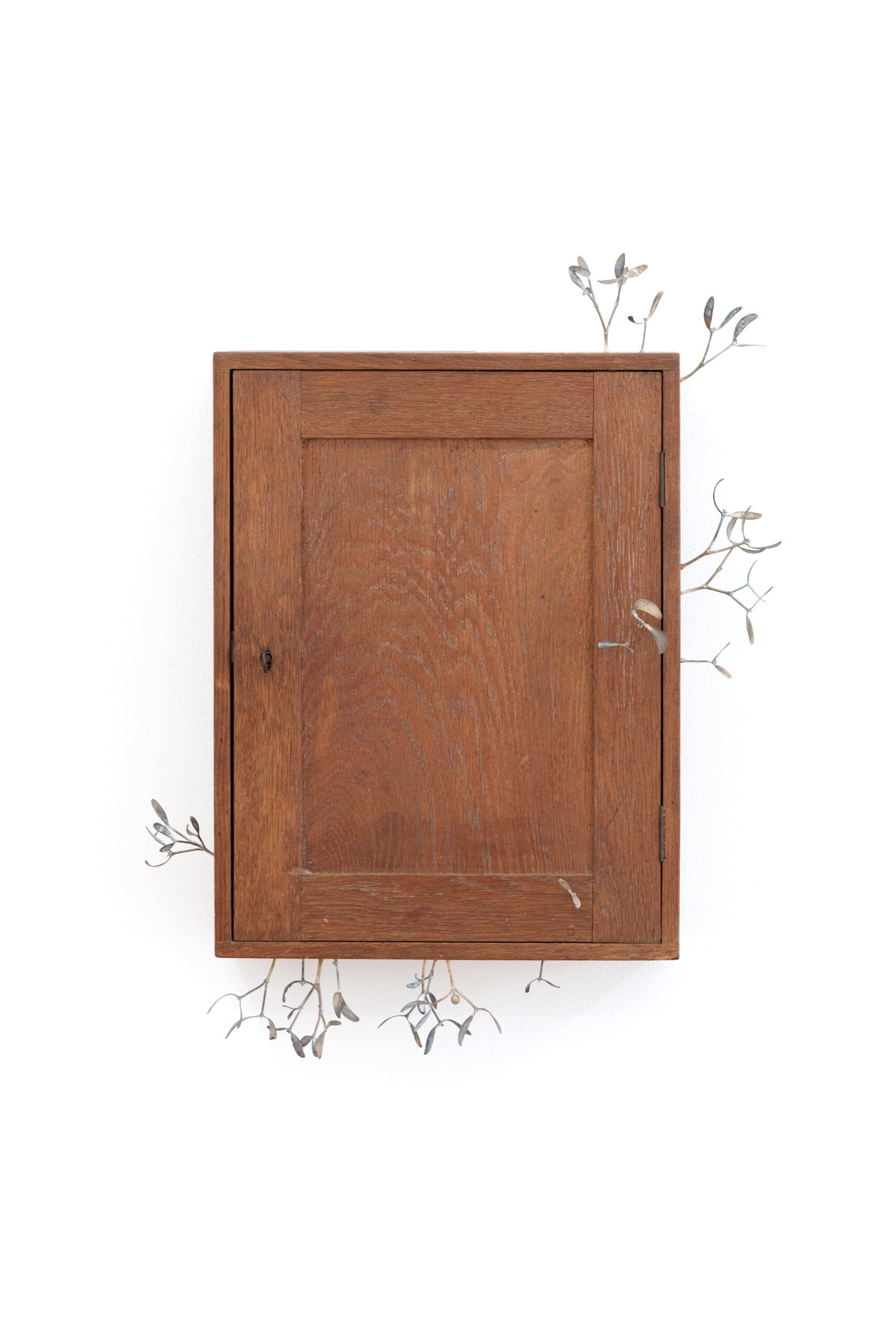
Cabinet V (Mistletoe)
wood, bronze
2026
65 x 50 x 20 cm
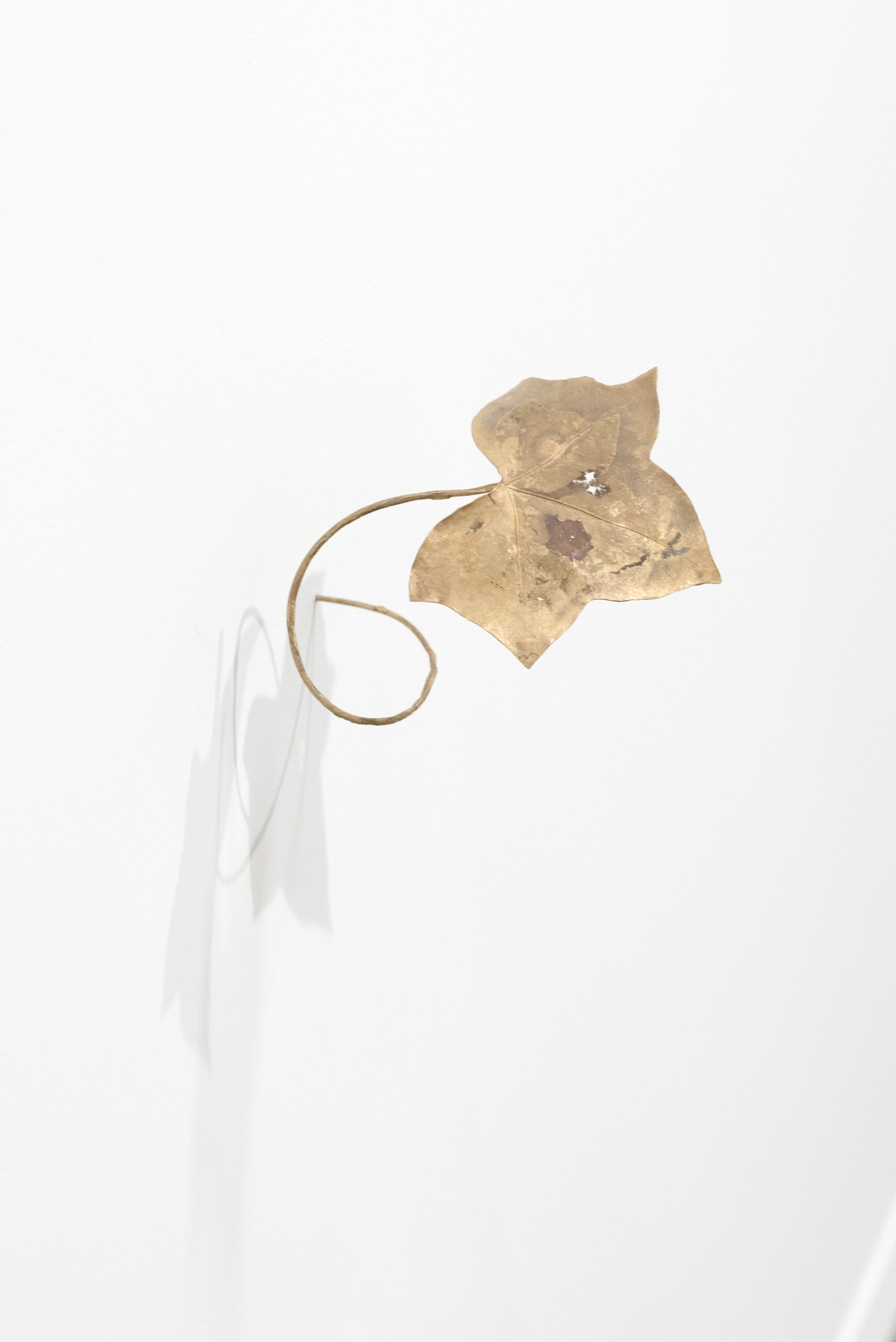
Intruder (Ivy)
2025
bronze
14 x 16 x 20 cm
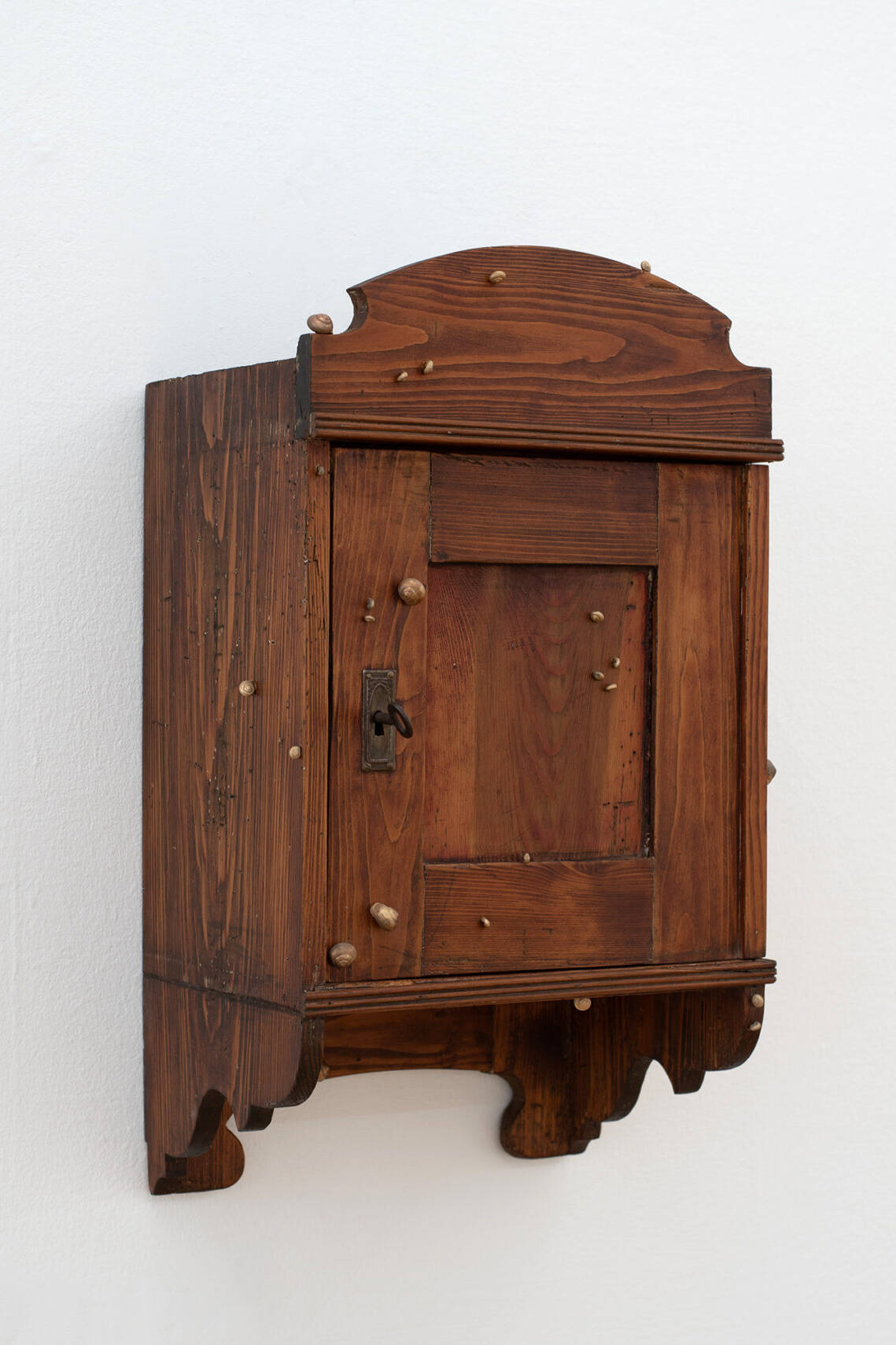
Cabinet IV (Snails)
2025
wood, bronze
60 x 36 x 24 cm
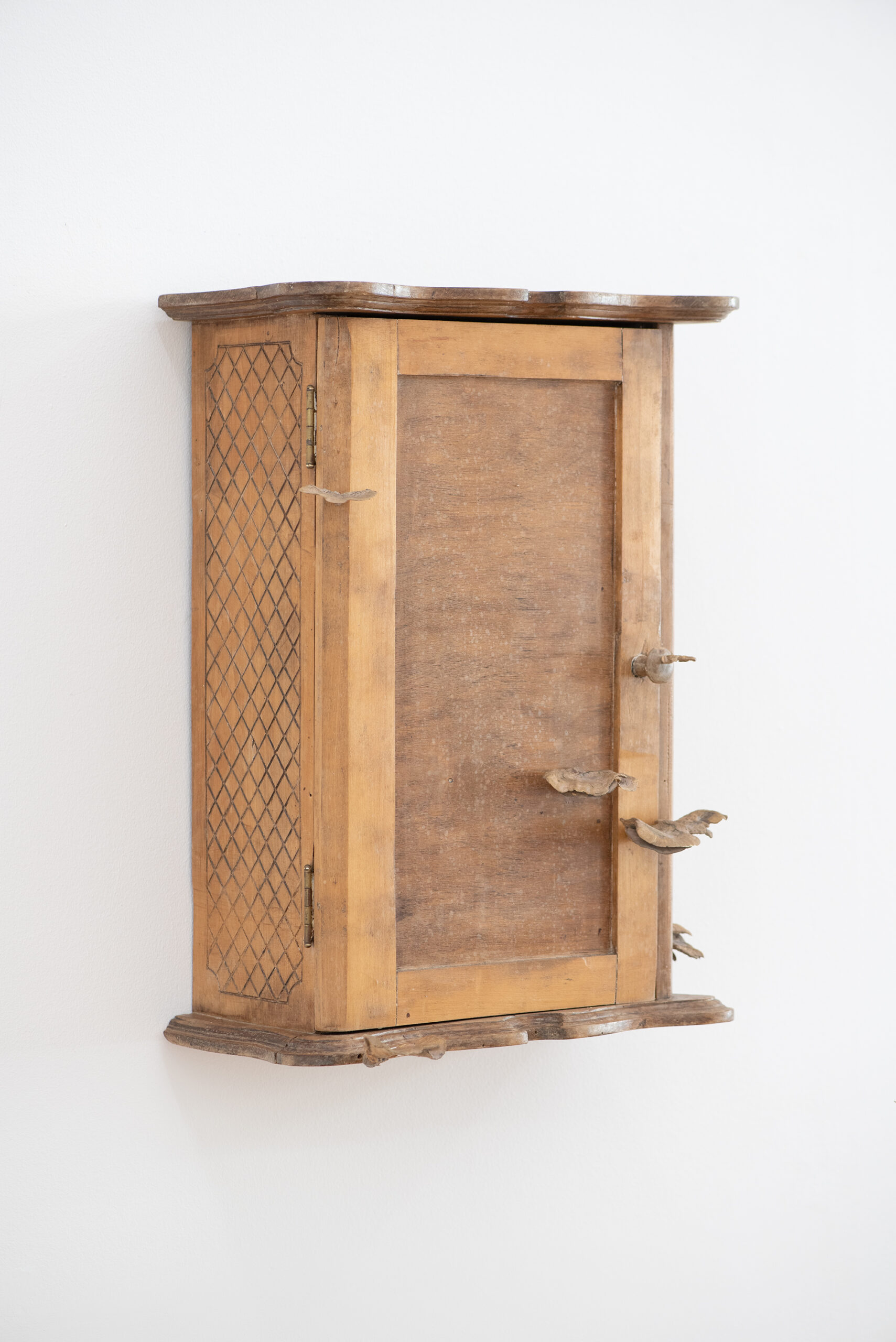
Cabinet III (tree fungus)
2025
wood, bronze
53 x 43 x 18 cm
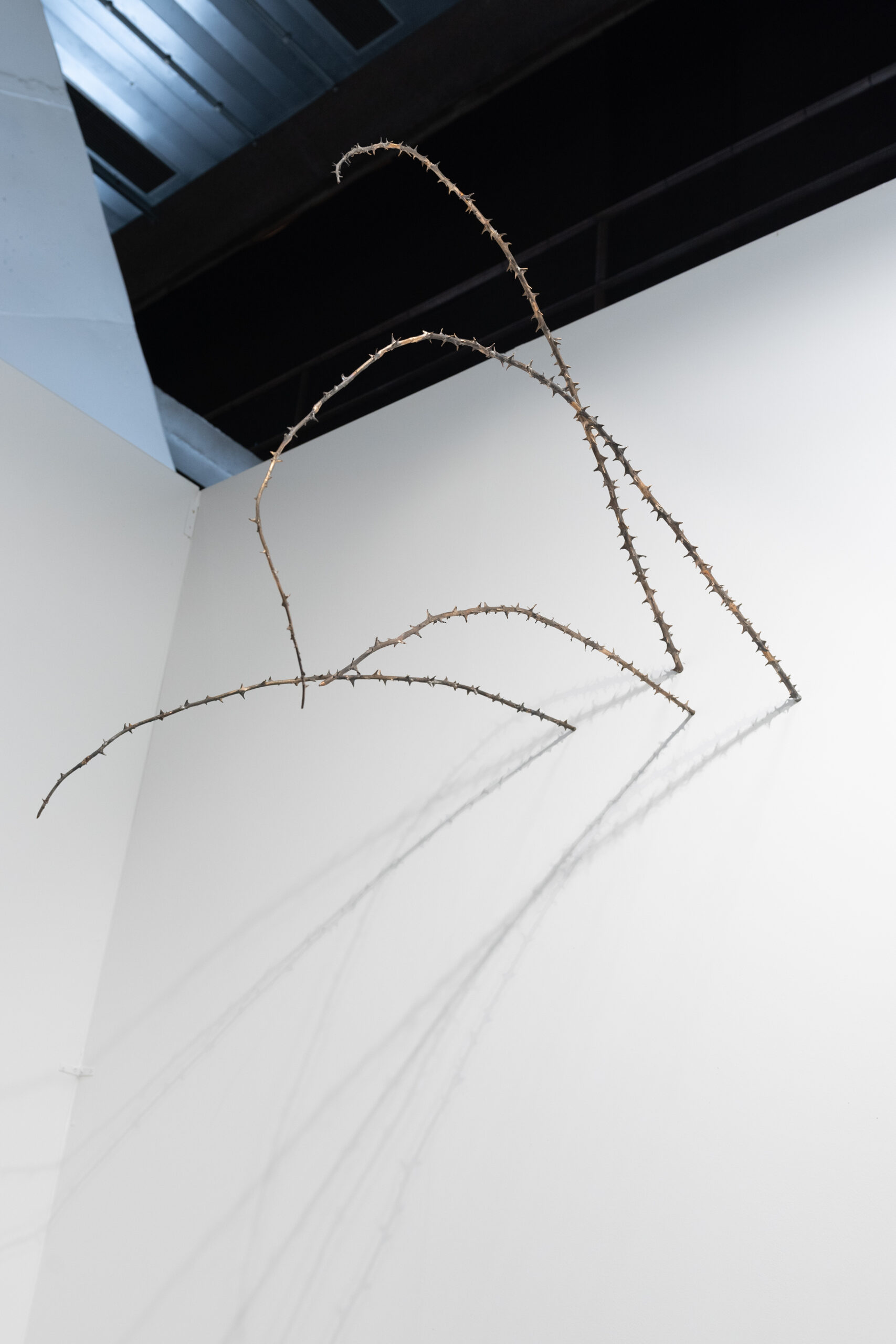
Intruder I (Rose branches)
2024
bronze
110 x 70 x 100 cm
Cabinet II (cocoons)
2025
wood, bronze, glas
53 x 43 x 18 cm
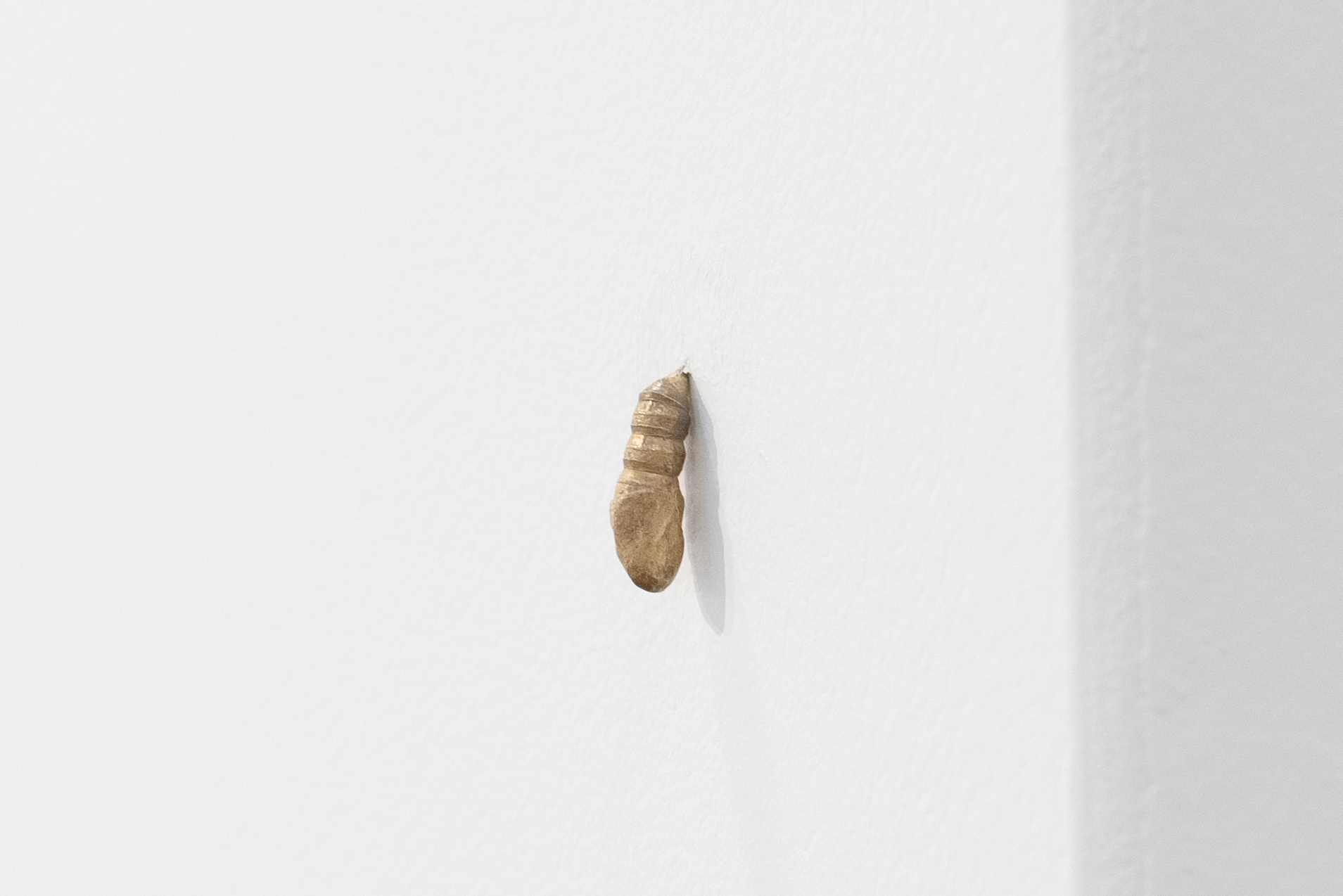
Aglais urticae
2025
bronze
2,8 x 0,8 cm
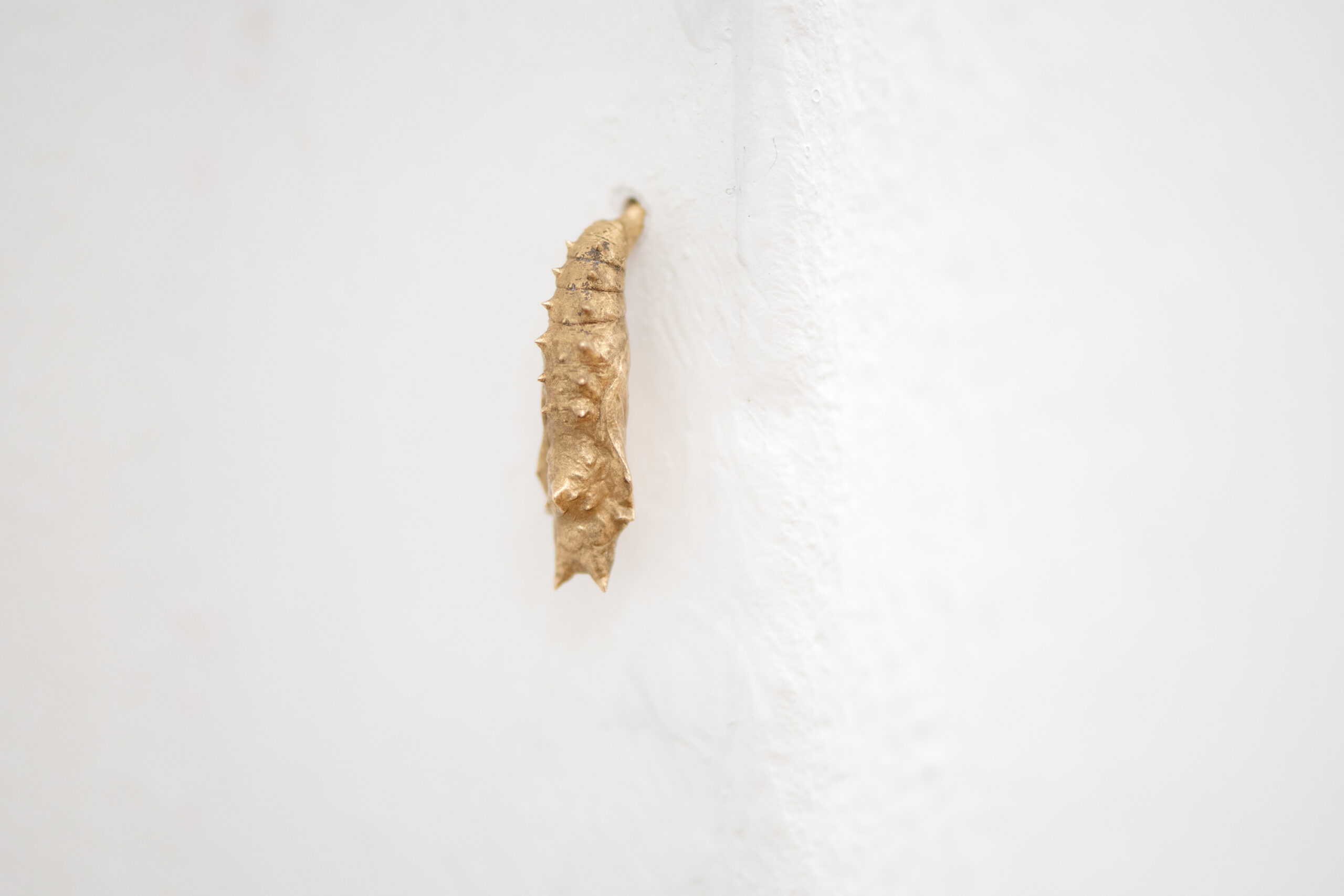
Aglais urticae
2025
bronze
2,5 x 0,5 cm
Hybrid VIII
2025
paper, acrylic paint, metal eyelets,
380 x 250 cm

Shelter (small)
2025
glas, bronze
23 x 32 x 2 cm
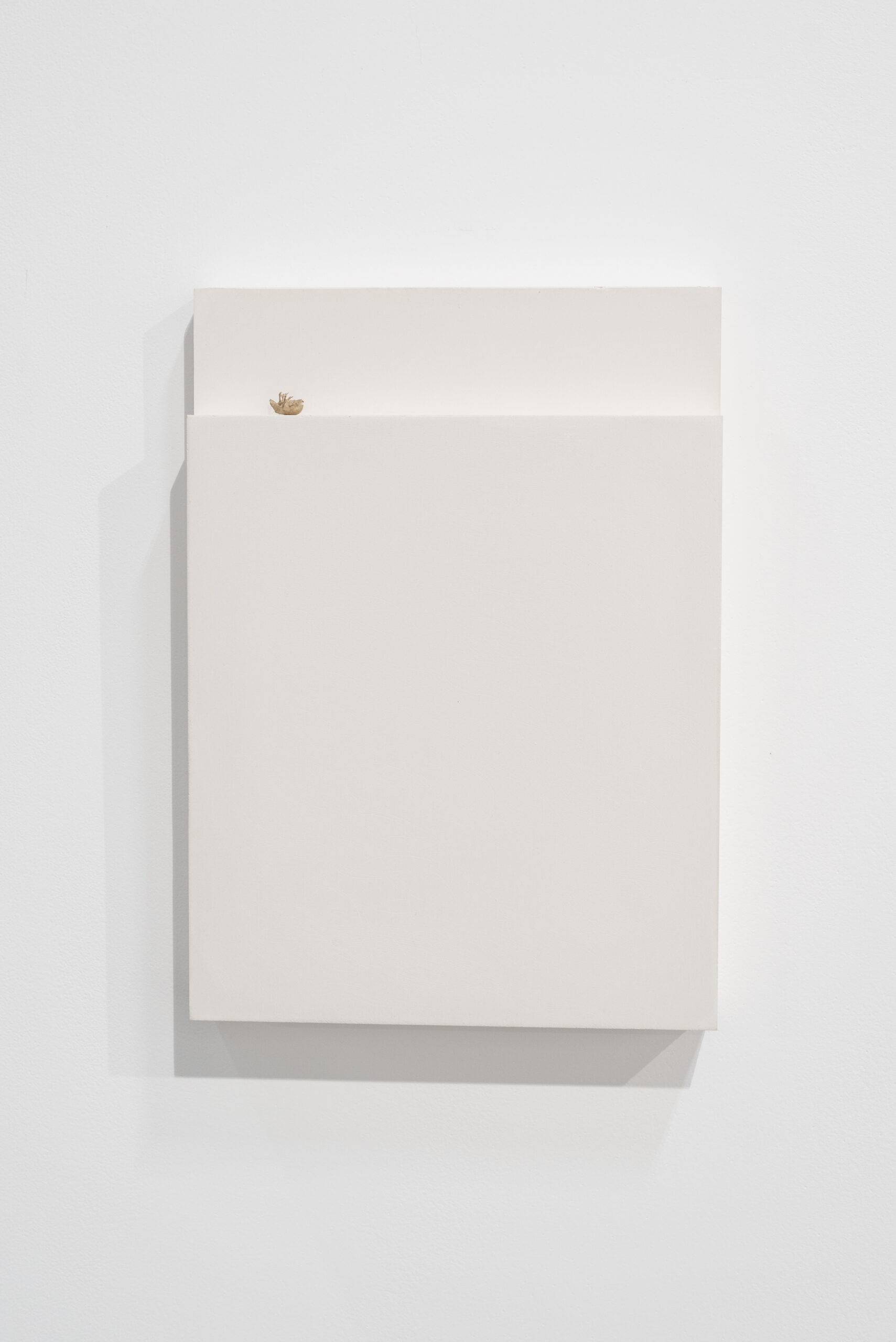
Nische IV
2025
Plaster, bronze
35 x 25 x 5 cm
Nische III
2024
Plaster, bronze
35 x 25 x 5 cm